
Has this ever happened to you in your business? Your sales are strong, and your team is busy signing up new customers. But somehow, something is not quite right. You never seem to have enough cash!
What you’re experiencing is a classic instance of the cash flow crunch. Your business is doing well, but you struggle to meet payroll or pay other recurring bills. Looks like you’ll have to hit your line of credit yet again!
This phenomenon often occurs when a business begins to grow. We’ll get into why that actually makes sense a bit later. But first, let’s go over some of the common elements that cause this to happen.
When you first started, you probably made sales, and the customers paid immediately. They paid by check, or these days, they whip out their credit cards. Some people even use the archaic method of paying with cash. In accounting, all three of these are considered cash purchases, and they make cash immediately available to your business.
Life is good when this happens. But now that you’re facing shortages of cash, you’ll likely wonder why this wasn’t the case before. What changed?
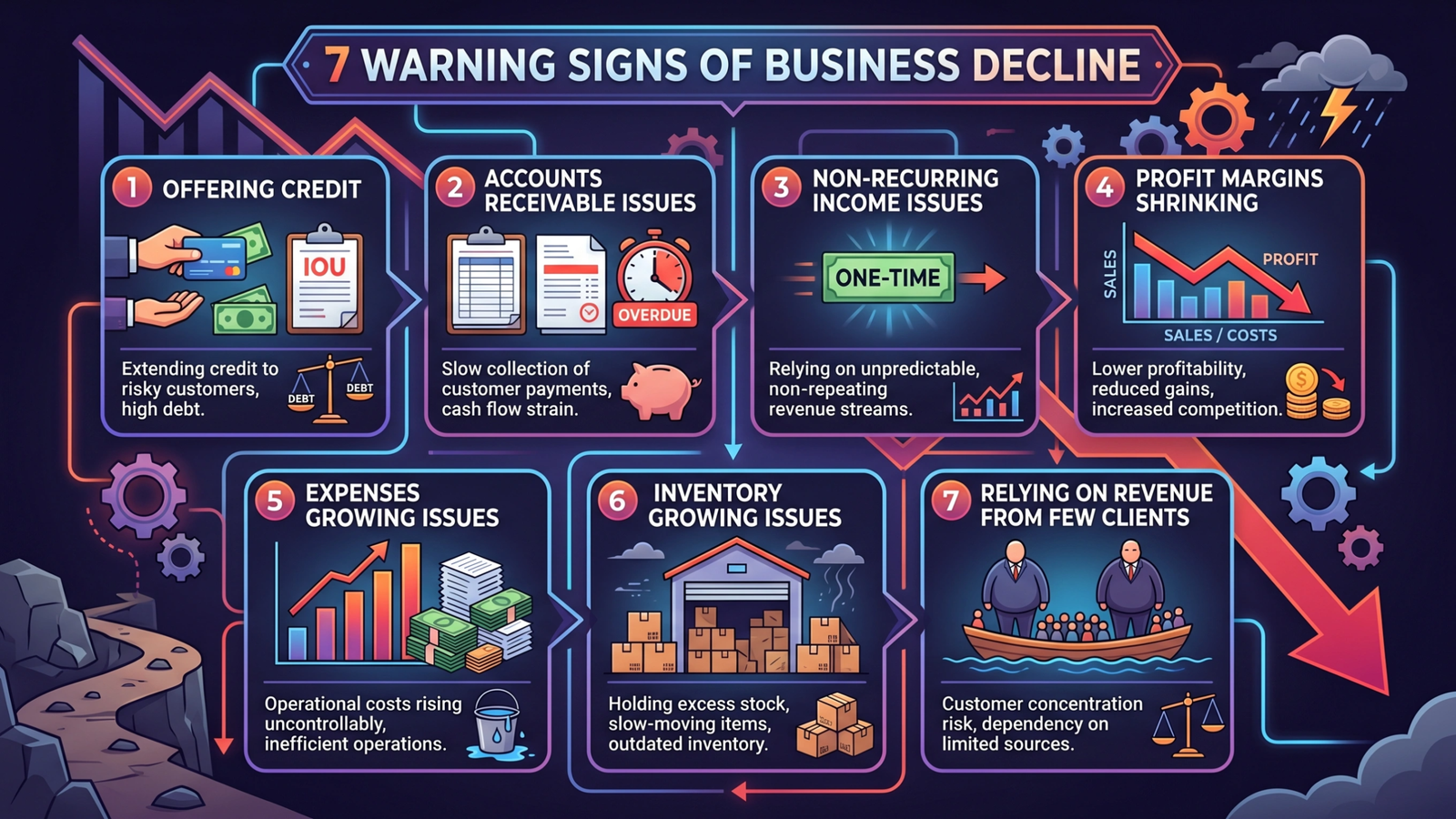
Warning Sign #1 – You Start Offering Credit to Customers
When a business grows, it often takes on larger clients. These clients may define contingencies and won’t buy from you unless you offer them credit terms, more commonly known in the accounting world as accounts receivable.

It’s great that you made the sale, but the bigger the company, the more they’ll hold out on paying you, even if the agreement was for a shorter time period. These companies have clout because they know you don’t want to lose them as clients.
But there is an even more subtle issue with business growth. You’ll need to hire people and invest in more capacity. So your costs are skyrocketing even though you are no longer collecting that cold, hard cash. It compounds the problem.
These issues aren’t contrived just for the sake of this article. They happen often with real businesses. For instance, the high-end restaurant company J. Alexander’s Holdings, Inc., faced challenges with its accounts receivable for catering services, and the operations added costs that it simply wasn’t ready to handle.
SaaS companies are also notorious for high startup costs, particularly for their marketing and infrastructure. And companies often allow customers to defer payments on larger contracts.
Another more prominent example is Shake Shack. The company went public in 2015 and warned in its 10-K filings that, although it had operational cash flow and IPO proceeds, it wasn’t sure they would be enough to fund all the new restaurants it planned to build. The concern was valid, and they operated for about five years with an ROIC of around 0%.
Warning Sign #2 – Accounts Receivable Growing Faster than Revenues
This warning is related to Warning Sign #1, but it differs. Even when customers pay on time, business owners could still face cash flow shortages. Giving them 30 days to pay is still 30 days later than collecting cash now.
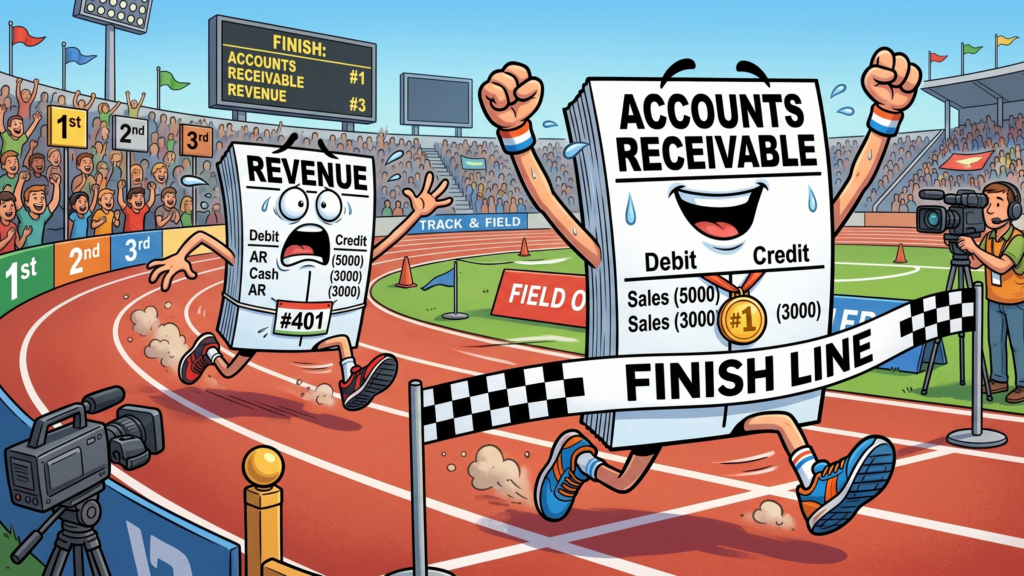
When receivables are growing faster than your revenues, it’s an indication that customers are not paying you on time. When this happens, you’ll yearn for the time when they actually paid in 30 days.
Left unchecked, this situation actually starts compounding. It’s unlikely that a shovel manufacturer will tell Home Depot that it must pay its bill before accepting any new orders. That’s a surefire way to have a company like Home Depot say Siyonara! So, even though they haven’t paid you yet, they are ordering more products to be delivered on time (for them). You can see how easily this problem will compound.
Warning Sign #3 – Are You Treating Non-Recurring Income as Revenue Growth?
Sometimes businesses experience events that generate cash, but these events are not part of the business model. Examples include tax benefits, one-time gains, and asset sales. In accounting terms, these are considered non-recurring items. As they won’t happen frequently, they shouldn’t be counted as revenue, at least not from a long-term planning perspective.
Warning Sign #4 – Your Profit Margins Are Shrinking
When you first started your business, you were on top of the world, and it was thriving. The trouble is, when you do well, others notice. Many people in your community will celebrate your success. However, more than a few of them want a piece of the action. Unless your business has what Warren Buffett calls a wide moat, there is little to stop these people from jumping in on your business success.

But many of these newcomers will have a narrow focus and try to gain an advantage by cutting prices, which always leads to a race to the bottom. This situation is common in the business world.
Whatever the reason for shrinking profit margins, every dollar of new revenue is costing you more to produce than the last one did.
Warning Sign #5 – Expenses Are Growing Faster than Revenue
Do you have subscriptions in your business that no one is using? Or perhaps you hired several people to account for a potential surge in demand that hasn’t occurred yet? You may even have a few ancillary costs that are not mentioned here. These costs add up, and they eat into your bottom line.
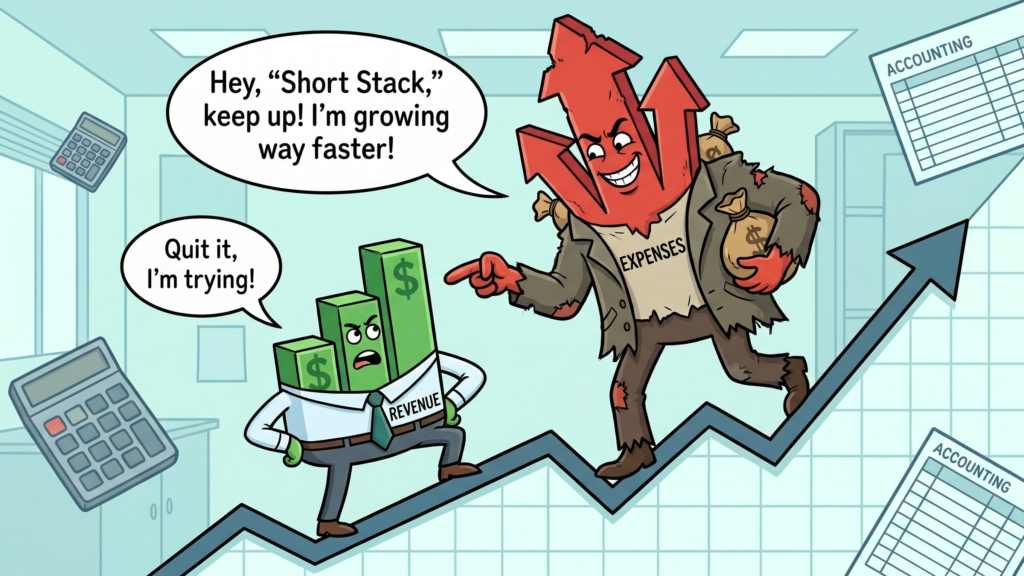
Business owners tend to get a free spirit (with spending) when times are good. Everyone is optimistic, and the belief is that all the right metrics will keep rising indefinitely. Then, reality hits, and it’s time for all to come back down to earth.
Warning Sign #6 – Inventory Is Building
If you sell physical products, then you have inventory. If your inventory is piling up, demand for your product may be waning. It could also indicate that you raised prices too aggressively.
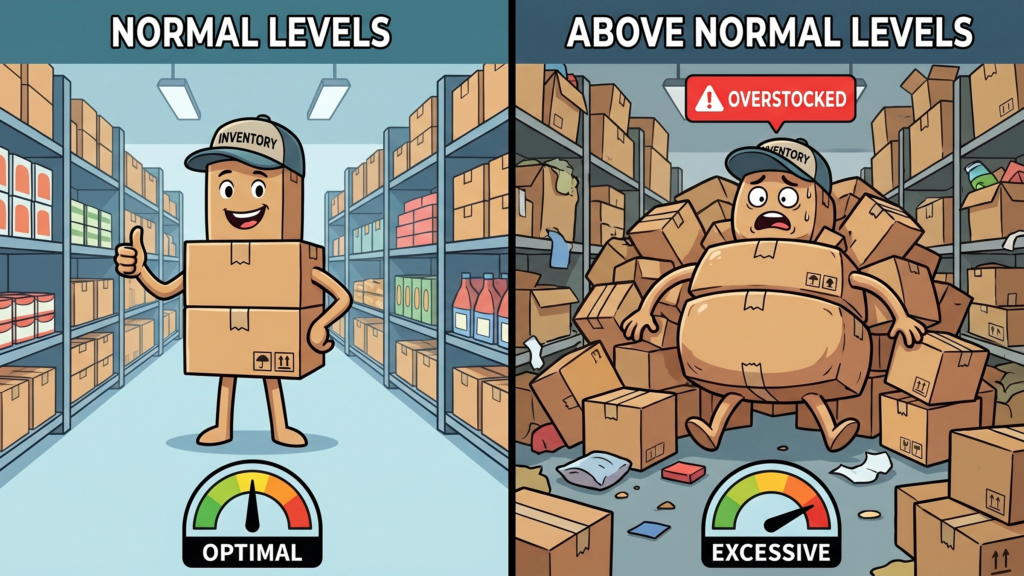
Inventory sitting on shelves is preventing better-selling products from being put there. The lag in sales could be due to seasonality, but it pays to be ready for all potential scenarios, including a slowing overall demand.
Warning Sign #7 – Putting All Your Eggs in One Basket
It’s a great feeling to land that huge client. It’s something your sales team has spent a lot of time and effort on, negotiating to reel them in. However, if you are relying on that one big fish for all your revenue, what happens if they decide they no longer want to work with your company?
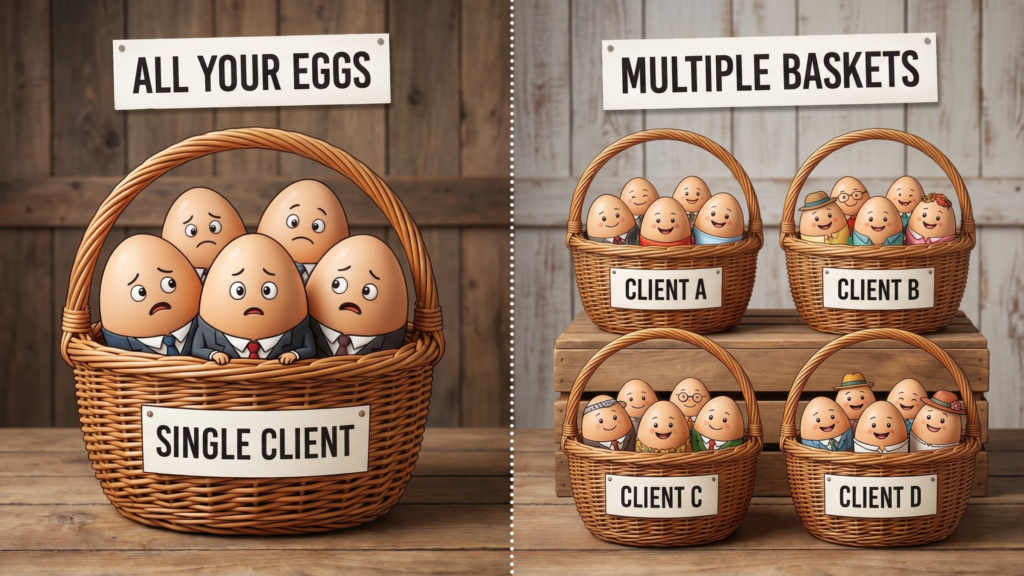
Having large clients is not, in itself, an issue. But not having smaller clients for diversification can be quite problematic.
You have just learned about some ways businesses can encounter situations that cause problems. In Part 2 of this series, we’ll discuss some of the solutions you can use to counteract these issues. An underlying theme of this second part is tracking several metrics to help you identify problems before they become bigger issues.



Be First to Comment