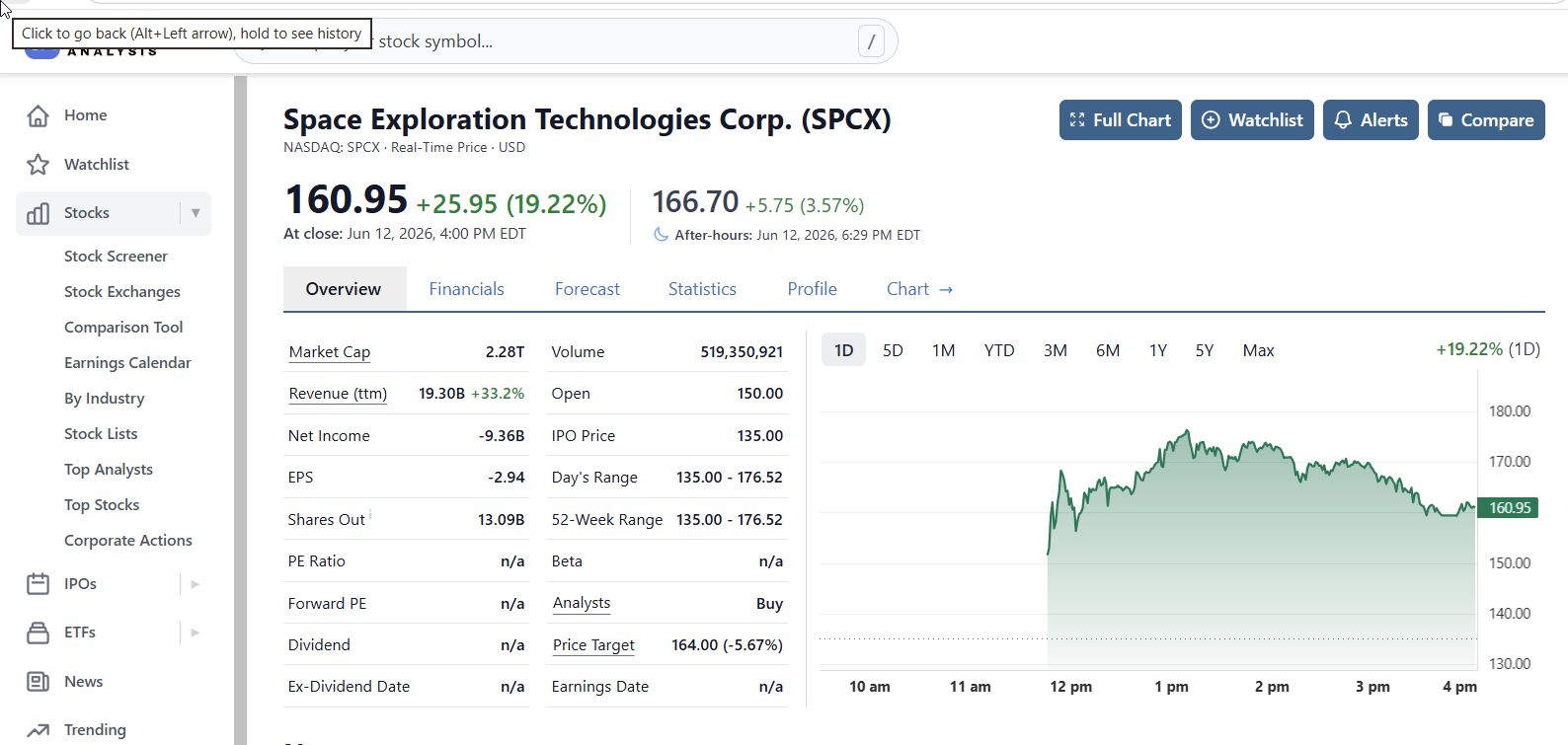
A company you’ve been following for a while finally goes public. The financial press covers it breathlessly, and your investment platform sends you a notification. CNBC runs a ticker across the bottom of the screen with a first-day gain of 30, 40, or sometimes 80 percent.
And you think: I should have gotten in on that.
What is actually more likely is that you wouldn’t have been able to.
Site owner may receive commissions from purchases made from links on this page.
The IPO You Think You’re Buying Isn’t the IPO That Made the Headlines
When you hear that a stock “popped 40% on its first day of trading,” that 40% is measured from the offering price. It’s the price at which shares were sold before public trading began. By the time you opened your brokerage app that morning, you were already buying into a market that had processed much of that gain.
The people who captured that 40%? They weren’t you. They were large institutional investors, pension funds, hedge funds, and mutual fund giants who received share allocations directly from the underwriting banks before a single share traded publicly. They got in on the ground floor. You came late to the party, and it’s not your fault. That’s the way the process works.
Related: You Can Get the Latest Information on IPOs in Stock Analysis
How the Process Actually Works
When a private company decides to go public, it hires investment banks to manage the offering. These underwriters run what’s called a roadshow, a series of presentations to major institutional investors to gauge demand and build an order book. The feedback from those meetings shapes the final offering price.
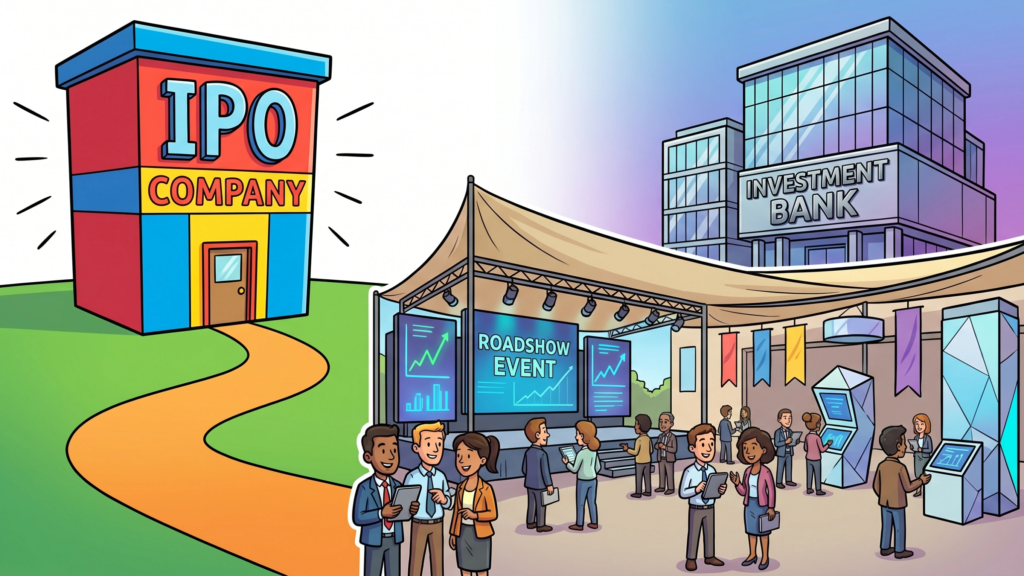
The people in the room during those discussions have an edge you are not privy to. You’re relying on a prospectus filed with the SEC, the same document available to everyone, stripped of the richer context that comes from sitting across the table from the CEO and CFO and hearing how they talk about the business.
Once the price is set, shares are allocated. And here’s where the favoritism becomes most visible: institutions with longstanding relationships with the underwriting banks receive the lion’s share of allocations. Retail investors, individual people like you, receive smaller portions, or nothing at all.
The result is that access to the IPO price itself has become one of the most valuable privileges in today’s markets. And that privilege is not distributed equally.
Why Stocks Are Intentionally Priced Below What the Market Will Pay
You might wonder: if institutional investors are going to push the price up 40% on day one, why didn’t the company just price the IPO 40% higher and raise more money?
The answer reveals something important about how incentives are structured. Academic research dating back decades has documented that IPOs are systematically underpriced, meaning companies consistently leave money on the table at the offering stage. This isn’t carelessness. It’s deliberate.
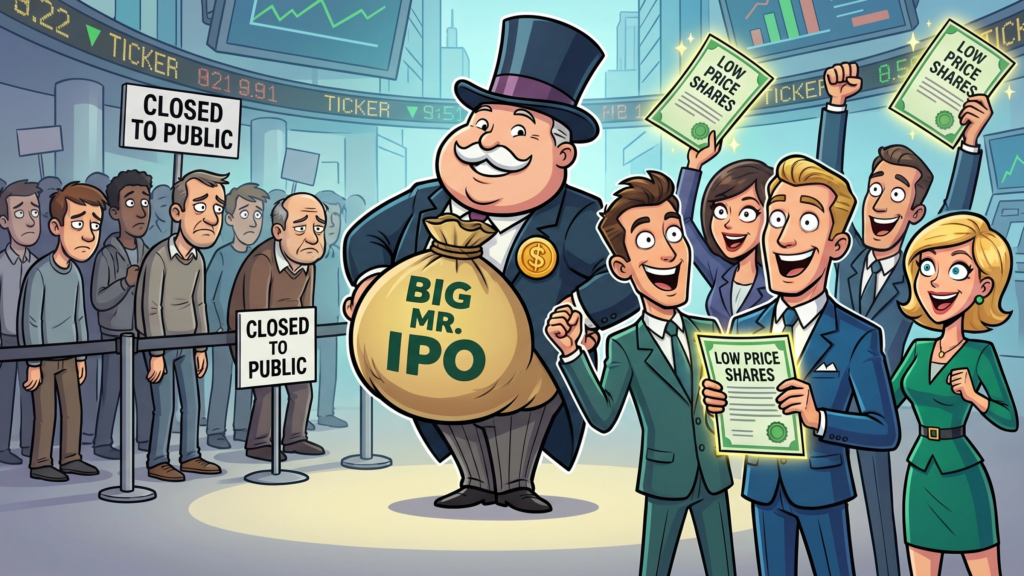
By pricing below the level at which the market would clear, underwriters essentially reward institutional investors for participating honestly in the book-building process and for supporting future offerings. The first-day pop is, in a sense, compensation for being a reliable partner.
For you, as someone who can’t participate in book-building, this translates to a consistent disadvantage. The price you pay when you buy a newly public stock in the open market already reflects the excitement that institutional investors captured at a lower price. You’re absorbing risk that they’ve already partially been compensated for.
Remember Facebook?
In 2012, Facebook went public in one of the most hyped IPOs in a generation. You almost certainly recognize the buzz. Millions of retail investors wanted in.
What many of them got served as a lesson in valuation. The offering price was set aggressively high, technical problems plagued the Nasdaq opening, and the stock spent the better part of the next year trading below the IPO price. Meanwhile, reporting later revealed that certain institutional investors had received additional information during the roadshow about weakening income trends, context that wasn’t as clearly visible to the general public at the time.
The company recovered, of course, and became one of the most valuable on earth. But if you bought Facebook shares in the days after the IPO at the elevated opening prices, you waited years to break even.
The lesson isn’t that Facebook was a bad company. It’s that buying into public enthusiasm at IPO time without institutional tools puts you in a fundamentally different position from the investors who shaped the offering.
Could the System Be Different?
There are alternatives. Google famously tried a Dutch auction structure for its 2004 IPO, allowing any investor to submit bids directly. The goal was to reduce underpricing and favoritism by allowing the market to set prices more democratically. It worked reasonably well and gave retail investors a more meaningful opportunity to participate at the offering price.
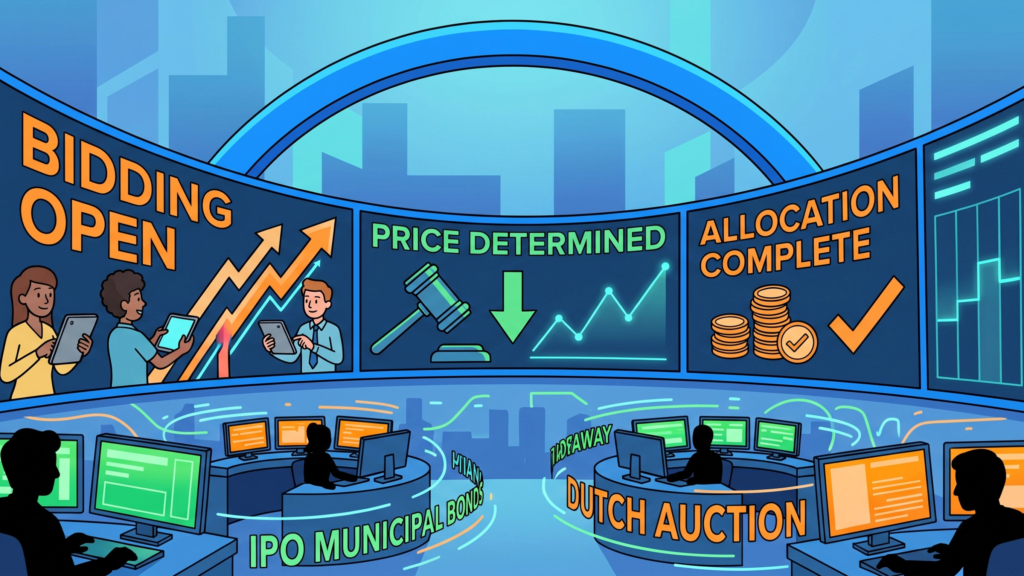
Almost no company has followed Google’s lead in the two decades since.
More recent listings, where existing shareholders sell directly into the market without underwriter allocations, have attracted attention. Spotify and Palantir went this route, and the structure does reduce the allocation favoritism inherent in traditional IPOs. However, direct listings work best for well-known companies that don’t need to raise new capital, which limits how broadly the model can be applied.
Proposals exist to require companies to reserve a fixed percentage of IPO shares for retail investors, or to mandate greater transparency in allocation decisions. These are reasonable ideas. They’ve gained little traction.
What This Means for You
None of this means you should ignore IPOs entirely. It means you should approach them with clear eyes about what you’re actually buying.
When you buy shares of a newly public company in the open market, you’re not buying at the IPO price. You’re buying at whatever the market has already decided those shares are worth after institutional investors have done their work. That can still be a good investment. Companies grow after their IPOs, sometimes spectacularly. But the specific advantage of the IPO price itself, and the first-day gains it can generate, is largely not available to you.
The financial media’s celebration of IPO “pops” is really a celebration of a return that accrued to someone else. By the time you’re watching the ticker, the best of it is already in someone else’s pocket.
Understanding that isn’t pessimistic. It’s just honest, and honesty is the only reliable starting point for making good decisions with your money.
📘 IPO Investing FAQ
1. What is an IPO?
An Initial Public Offering (IPO) is the process by which a private company sells shares to the public for the first time. It allows the company to raise capital and gives investors the opportunity to buy ownership in the business.
2. Why do IPO prices often “pop” on the first day?
Because IPOs are frequently underpriced — intentionally. Academic research shows that IPOs are typically priced below the market’s willingness to pay. This creates a first‑day gain that rewards institutional investors who received shares at the offering price.
3. Why don’t retail investors get IPO shares at the offering price?
Because allocations are controlled by underwriting banks, which prioritize:
- large institutions
- long‑standing clients
- investors who participate in many deals
Retail investors usually receive small allocations or none at all, meaning they buy only after the price has already jumped.
4. What is the book‑building process?
Book‑building is the system underwriters use to gauge demand for an IPO. They meet with institutional investors, collect bids, and use that information to set the final offering price.
Institutions get access to management and real‑time demand data. Retail investors do not.
5. Why are IPOs underpriced on purpose?
Underpricing:
- encourages institutions to provide honest demand feedback
- reduces the risk of a failed offering
- rewards investors who support future deals
- strengthens relationships between banks and institutions
This is how the system works.
6. Is buying an IPO in the open market a bad idea?
Not necessarily. Buying after the IPO pop simply means you’re not capturing the allocation premium.
A newly public company can still be a great long‑term investment, but you’re not getting the same deal institutions get.
7. What happened with Facebook’s IPO?
Facebook’s 2012 IPO is a classic example of:
- aggressive pricing
- technical failures
- selective disclosure to institutions
- retail investors buying at inflated prices
The stock eventually became a massive success, but early retail buyers waited years to break even.
8. What is a Dutch auction IPO?
A Dutch auction allows investors, including retail investors, to submit bids directly. The final price is set where supply meets demand.
Google used this method in 2004. It worked, but very few companies have adopted it since.
9. What is a direct listing?
A direct listing allows existing shareholders to sell shares directly to the public without underwriter allocations.
Benefits:
- more transparent pricing
- fewer favoritism issues
Drawbacks:
- no price stabilization
- best suited for well‑known companies that don’t need to raise capital
Spotify and Palantir used this method.
10. Are there reforms that could make IPOs fairer?
Yes. Common proposals include:
- guaranteed retail allocations
- transparency in allocation decisions
- hybrid or Dutch auction models
These ideas have support but limited adoption.
11. Should retail investors avoid IPOs entirely?
No — but they should understand what they’re buying.
When you buy a newly public stock:
- You’re not buying at the IPO price
- You’re buying after institutions have already captured the underpricing premium
IPO investing can still be profitable — just not in the way financial media often implies.
12. Why does financial media hype IPO pops?
Because “Stock jumps 40% on first day!” is exciting.
But that 40% gain went to someone else, not to the retail investor reading the headline.
13. What’s the biggest misconception about IPOs?
That retail investors can “get in early.”
In reality, retail investors almost always arrive after institutions have captured the early gains.
14. What’s the smartest way for retail investors to approach IPOs?
With clarity:
- Evaluate the company, not the hype
- Ignore first‑day pops
- Treat IPOs like any other investment
- Focus on long‑term fundamentals
The IPO price is a privilege, not a right, and it’s rarely available to retail investors.
Sources & Suggested References
These are authoritative, academically recognized sources that support the article’s claims:
Academic Research
- Ritter, Jay. “The Long‑Run Performance of Initial Public Offerings.” Journal of Finance (1991).
- Loughran, Tim & Ritter, Jay. “Why Don’t Issuers Get Upset About Leaving Money on the Table?” Review of Financial Studies (2002).
- Ibbotson, Roger. “Price Performance of Common Stock New Issues.” Journal of Financial Economics (1975).
Regulatory & Industry
- SEC: Investor Bulletin — Investing in an IPO
- FINRA: Understanding IPO Allocations
Case Studies
- Reuters (2012): Selective disclosure during Facebook IPO
- Wall Street Journal (2012): Facebook IPO pricing and technical failures
- Google S‑1 (2004): Dutch auction explanation
- Spotify S‑1 (2018): Direct listing rationale

Be First to Comment